


February 10, 2026
Human-Centric Lighting Proves Its Value in Hospitality
Study links smart lighting to better sleep and guest satisfaction scores
In the world of high-end hospitality, lighting usually lives in the shadows — subtly shaping the mood, guiding movement, and coaxing guests toward rest or revelry. But a recent study out of India’s Manipal Academy of Higher Education thrusts lighting design into the spotlight, arguing it may be one of the most underused tools in hospitality wellness. The research, published in Scientific Reports, finds that sustainable lighting strategies in beach resorts measurably improve mood, reduce stress, and even help guests sleep better.
The team — led by environmental designers Aishah Wasti and Dr. Trupti Chauhan — surveyed 100 guests across four resorts in the coastal region of Karnataka, India. Using both questionnaires and field observations, they tracked four key psychological outcomes: mood, relaxation, stress levels, and sleep quality. The results were statistically clear: smart lighting, when tuned to human rhythms and context, has the power to heal as well as illuminate.

More Than Ambiance: Lighting as Psychological Infrastructure
Lighting isn’t just about aesthetics, the researchers argue — it’s an active participant in the guest experience. Guests reported stronger emotional responses when exposed to lighting that followed natural circadian rhythms, particularly warm-toned LEDs in sleeping areas and dimmable controls in relaxation zones. Areas using flat, uniform lighting or mismatched color temperatures saw more complaints of eye strain and lower satisfaction scores.
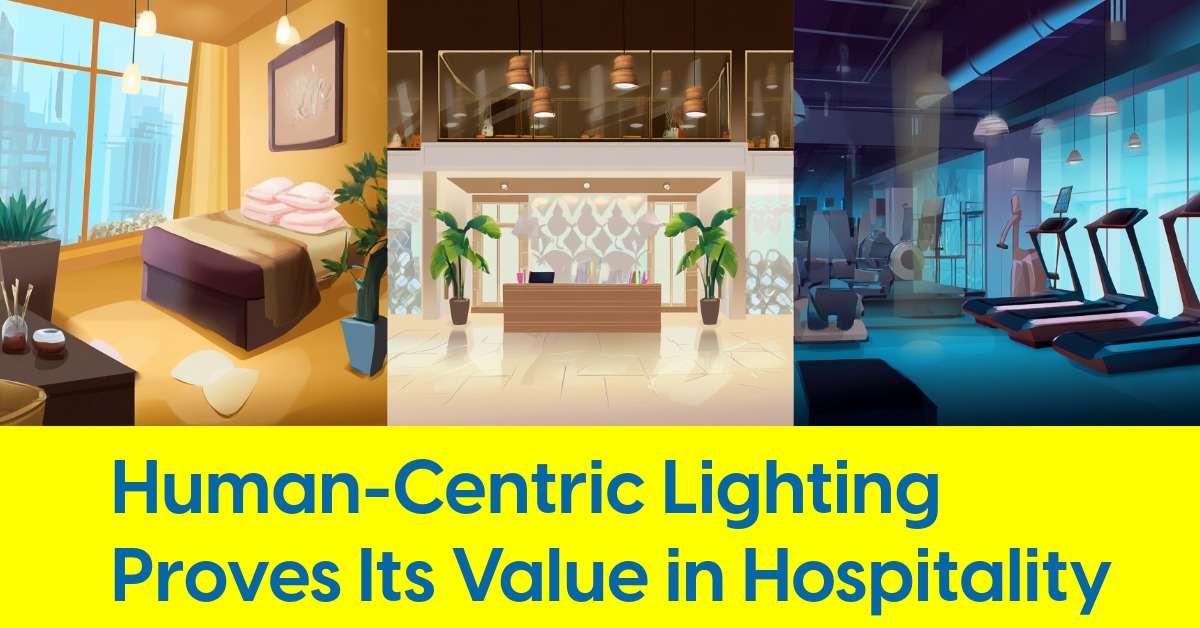
| Zone | Recommended Color Temp | Desired Psychological Outcome |
| Guest Rooms | Warm white LEDs (lower CCT) | Relaxation / Melatonin Support |
| Lobbies | Neutral white (mid-range CCT) | Social Connection / Welcoming |
| Fitness Centers | Cool white (higher CCT) | Alertness / Energy |
Note: CCT ranges are based on industry standards aligned with psychological outcomes discussed in the study. The original study did not specify precise Kelvin values.
The study is clear that human-centric lighting extends well beyond CCT alone. Guest well-being was also strongly influenced by factors such as the balance of natural and artificial light, dimmable and adjustable controls, glare reduction and visual comfort, zone-specific lighting matched to activity, and dynamic systems that adapt over the course of the day. Color temperature, the authors note, is only one component within a broader lighting strategy tied to psychological outcomes.
Smart systems that mimicked daylight cycles had the highest psychological benefit, supporting what researchers referred to as the Attention Restoration Theory and Circadian Lighting Theory. The theory isn’t new — lighting professionals have discussed it for years — but this study adds fresh, guest-centered data that may help convert skeptics.
From Lobby to Lounges: Guests Want Comfort, Not Clinical Light
Guests preferred a blend of natural and artificial lighting, especially in transitional zones like lobbies and lounges. One takeaway: cooler lighting worked best in activity-oriented areas, while warmer tones created greater satisfaction in bedrooms and dining spaces. Visual comfort — particularly avoiding glare and harsh transitions — emerged as a top design priority.
At Paradise Isle and Blue Heaven Beach Stay, the introduction of sustainable lighting retrofits led to better feedback scores and improved perceived ambiance, even among guests unaware of the environmental intent. The message is clear: lighting that feels good tends to do good.
This research provides lighting specifiers, architects, and wellness consultants with something rare: peer-reviewed data linking sustainable lighting choices to concrete psychological outcomes. For those designing for the wellness or hospitality markets, it strengthens the business case for human-centric lighting (HCL).
In a crowded hotel market where margins are tight and differentiation matters, lighting can serve as a wellness differentiator — one that speaks both to comfort and climate responsibility. As the hospitality sector leans further into ESG metrics and certification frameworks like LEED, is smart lighting poised to become a core asset and not an afterthought?